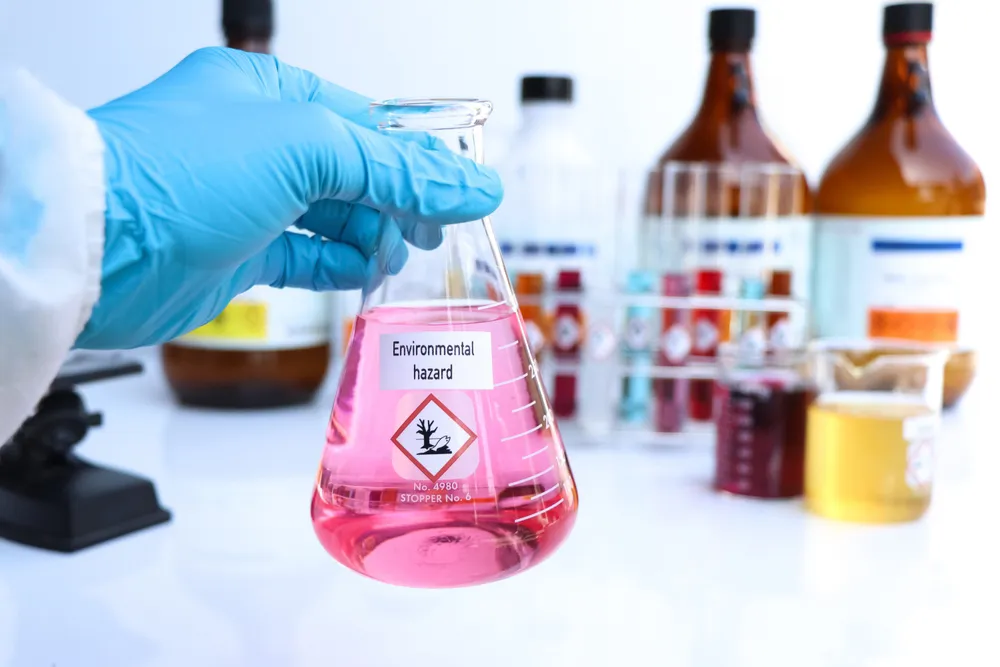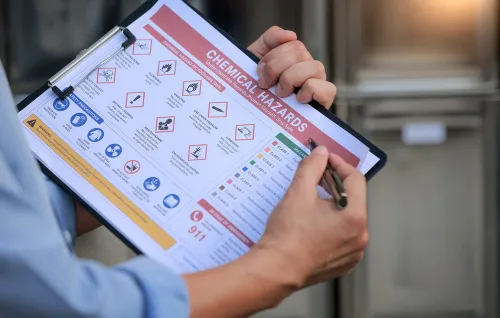
Antimony substances have been assessed over several decades by regulatory authorities and scientific bodies worldwide. These assessments have examined human health, environmental, and occupational risks associated with the manufacture, use and end-of-life management of antimony substances.

The resulting conclusions have informed regulatory requirements, exposure limits, classification decisions and risk management measures. As new scientific information becomes available, these assessments continue to be reviewed and refined under various national and international regulatory frameworks.


Key International and National Risk Assessments

A number of national and international authorities have conducted risk assessments of antimony substances and established health-based guidance values or regulatory conclusions.

WHO

  • The World Health Organization (WHO) established a tolerable daily intake (TDI) of 6 µg/kg bw/day for antimony, leading to a drinking water guideline value of 20 µg/L that continues to inform regulatory approaches worldwide. The WHO concluded that drinking-water exposures are generally low and that the chemical form of antimony is important in determining toxicity.

IARC

  • In 2023, following new data from US NTP studies published in 2017, IARC re-evaluated the Antimony Compounds and published Monographs Volume 131 ’Cobalt, Antimony Compounds, and Weapons-Grade Tungsten Alloy’. Trivalent antimony compounds were classified as probably carcinogenic to humans (Group 2A), while pentavalent antimony compounds were classified as not classifiable as to their carcinogenicity to humans (Group 3).

OECD

  • The OECD Screening Information Dataset (SIDS) assessment concluded that antimony trioxide was of low priority for further environmental assessment while supporting continued attention to workplace exposure management (2008).

US EPA

  • The US Environmental Protection Agency has established reference values for both oral and inhalation exposure to antimony compounds. More specifically, the US EPA has established an oral Reference Dose (RfD) of 0.0004 mg/kg/day for antimony and an inhalation Reference Concentration (RfC) of 0.0002 mg/m³ for antimony trioxide, representing exposure levels considered unlikely to cause adverse effects over a lifetime. The EPA also established a Maximum Contaminant Level (MCL) of 0.006 mg/L (6 µg/L) for antimony in drinking water. These values are periodically reviewed and remain available through EPA risk assessment databases.

ATSDR

In 2019, the US Agency for Toxic Substances and Disease Registry (ATSDR) published an updated Toxicological Profile for Antimony and Antimony Compounds, providing a comprehensive review of the available toxicological and exposure information. The report serves as an important reference for regulators, researchers, and industry stakeholders by summarizing the available evidence and supporting science-based risk assessment and responsible stewardship of antimony-containing materials.

Canada

  • Environment and Climate Change Canada concluded in 2020 that the eleven evaluated antimony compounds did not meet the environmental toxicity criteria established under the Canadian Environmental Protection Act (CEPA).

EFSA

  • The European Food Safety Authority (EFSA) has evaluated antimony in several contexts, including food contact applications and dietary exposure assessments. Antimony trioxide continues to be authorised as a catalyst in polyethylene terephthalate (PET) manufacture within the applicable European food-contact framework.
  • More specifically, a specific migration limit (SML) has been established for antimony trioxide in plastic food contact materials. This limit is set at 0.04 mg/kg of food, which is derived by allocating 10% of the Tolerable Daily Intake (TDI) to food contact materials. This is enforced under the Commission Regulation (EU) No 10/2011 on plastic materials and articles intended to come into contact with food, which aims to protect consumers from potential health risks associated with the presence of antimony in food packaging.

Other section

Become a member

Become part of a science-driven association shaping the safe use, visibility, and resilience of antimony across sectors.