Automotive Applications
One of the most established uses of antimony is in lead-acid batteries, which continue to power the starting, lighting and auxiliary systems of millions of passenger cars, trucks and industrial vehicles worldwide. Small additions of antimony can improve the strength and durability of battery components, helping batteries withstand demanding operating conditions and long service lives.
Antimony compounds are also used in certain brake systems, where they contribute to consistent friction performance under a wide range of driving conditions. Reliable braking remains one of the most critical safety functions of any vehicle.
As vehicles become increasingly electrified and connected, fire safety is also gaining importance. Antimony trioxide is used in some flame-retardant formulations found in cables, connectors, electronic housings and other polymer components, helping manufacturers meet stringent safety requirements.
From conventional vehicles to next-generation mobility, antimony continues to support the technologies that keep people and goods moving safely and efficiently
Aerospace and Defence Applications
The aerospace sector demands materials that can perform under some of the most challenging conditions imaginable. Whether in commercial aviation, satellites or defence systems, safety and reliability are paramount. Although used in relatively small quantities, antimony contributes to a number of technologies that help meet these demanding requirements.
One important area is fire safety. Antimony trioxide is used in certain flame-retardant systems that can enhance the fire performance of polymers, cables and other materials used in aerospace applications. These technologies help manufacturers comply with strict safety standards and contribute to passenger and crew protection.
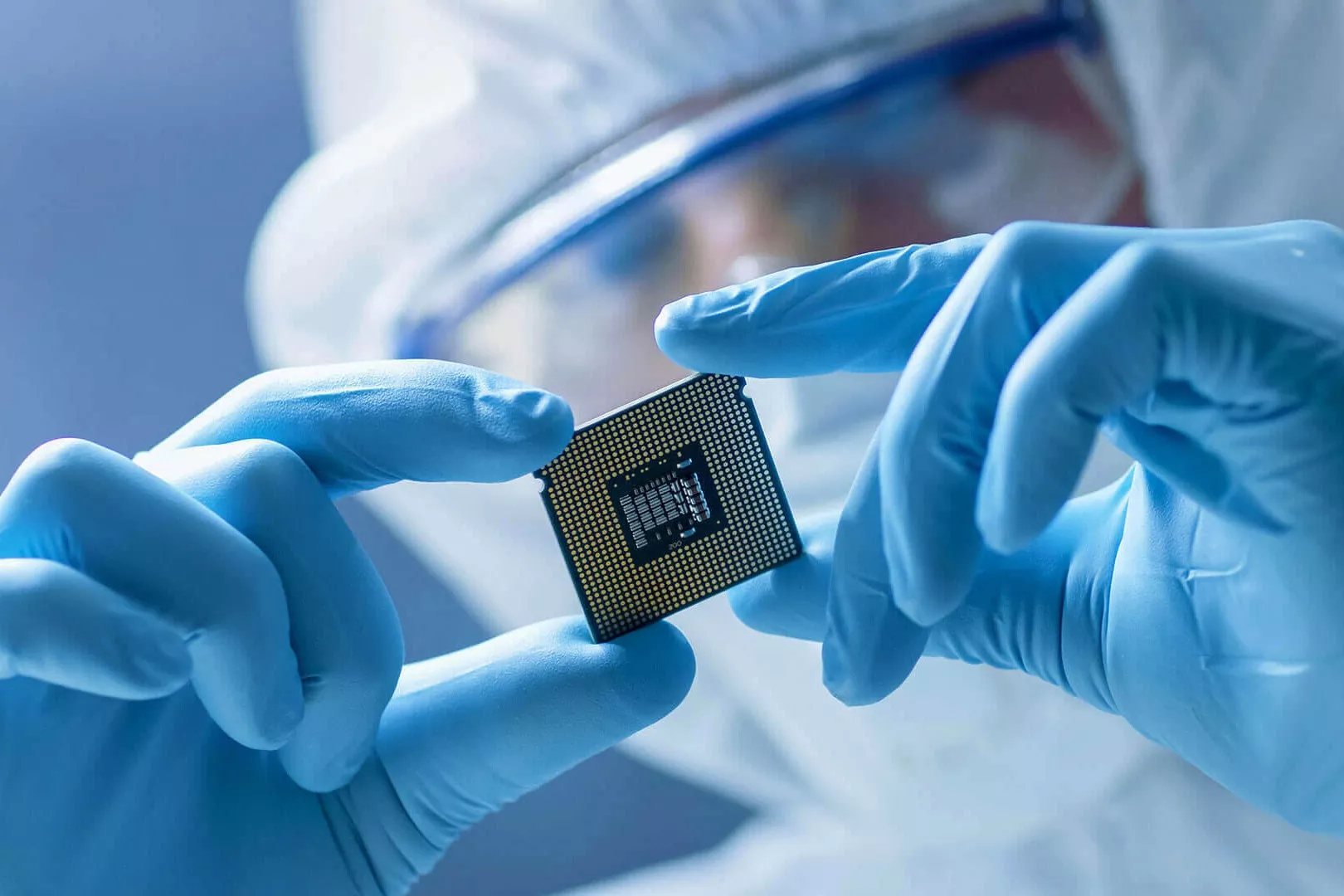
Antimony also plays a role in specialised electronics and sensing technologies. Certain antimony-containing materials are used in applications linked to infrared systems, advanced sensors and high-performance electronics, technologies that are increasingly important in both civil and defence-related aerospace activities.
The aerospace industry constantly seeks materials that can deliver performance, reliability and innovation. Through its contribution to safety systems and advanced technologies, antimony remains a small but important part of the materials ecosystem that supports modern aviation and space exploration.
Modern defence systems rely on advanced materials that can perform reliably in demanding environments while meeting stringent safety and performance requirements. Although often used in small quantities, antimony contributes to a range of defence technologies that support operational readiness and security.
Antimony compounds are used in applications ranging from munitions and primers to specialised pyrotechnics and signalling systems. Their unique properties have made them a long-established component in products where reliability is essential.
Antimony also plays a role in infrared technologies, sensors and advanced electronics used in modern defence equipment. These systems support functions such as detection, monitoring, communication and precision targeting.
In addition, antimony-based flame-retardant technologies contribute to the fire safety of military vehicles, equipment and infrastructure, helping protect personnel and assets in critical situations.
As governments strengthen defence capabilities and invest in technological innovation, antimony remains an important raw material supporting Europe's security, resilience and industrial base.